Product Design & Engineering
Design is more than just aesthetics — it’s about creating experiences and engineering them to work on your platform.
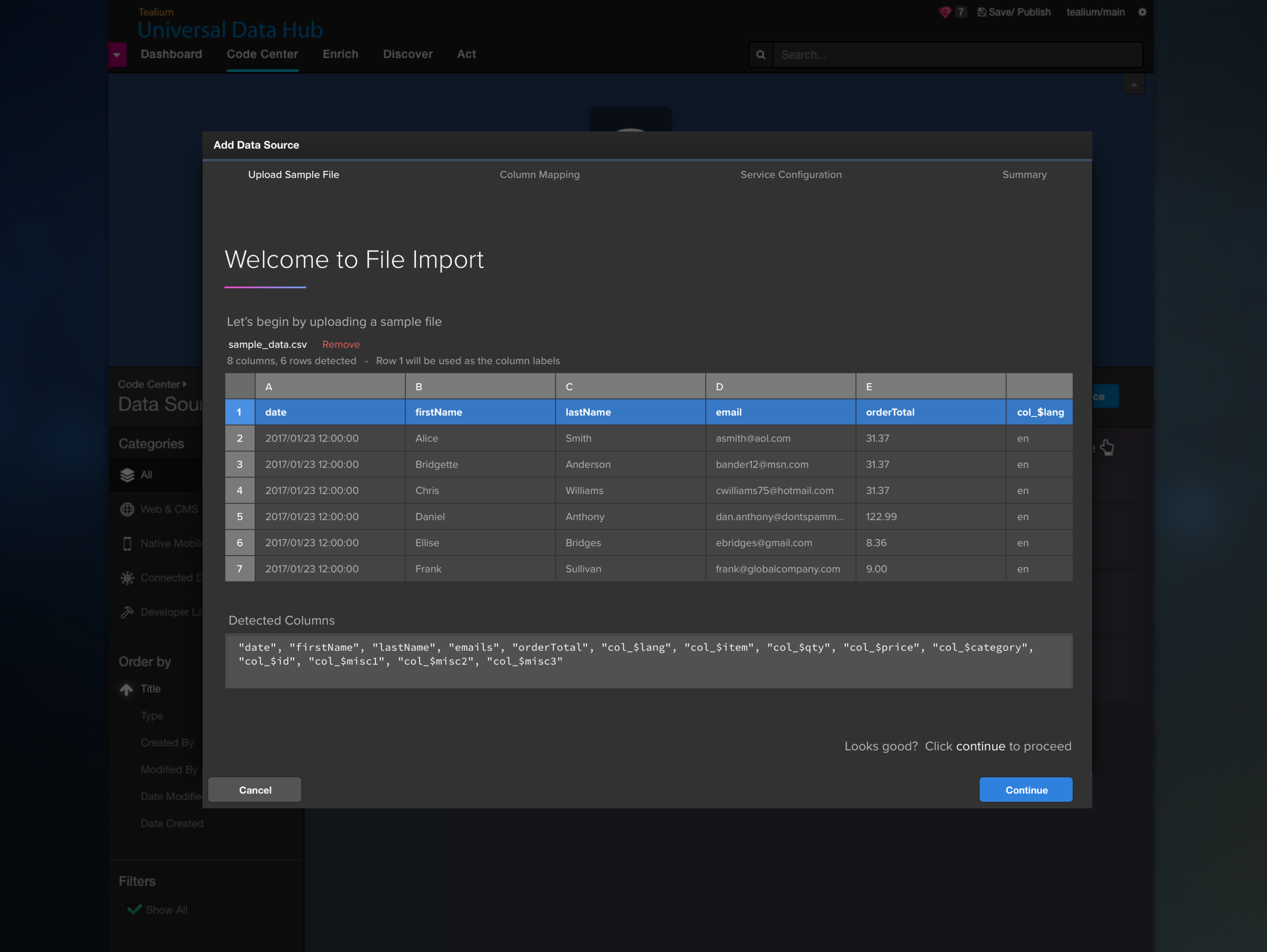
Featured Project:
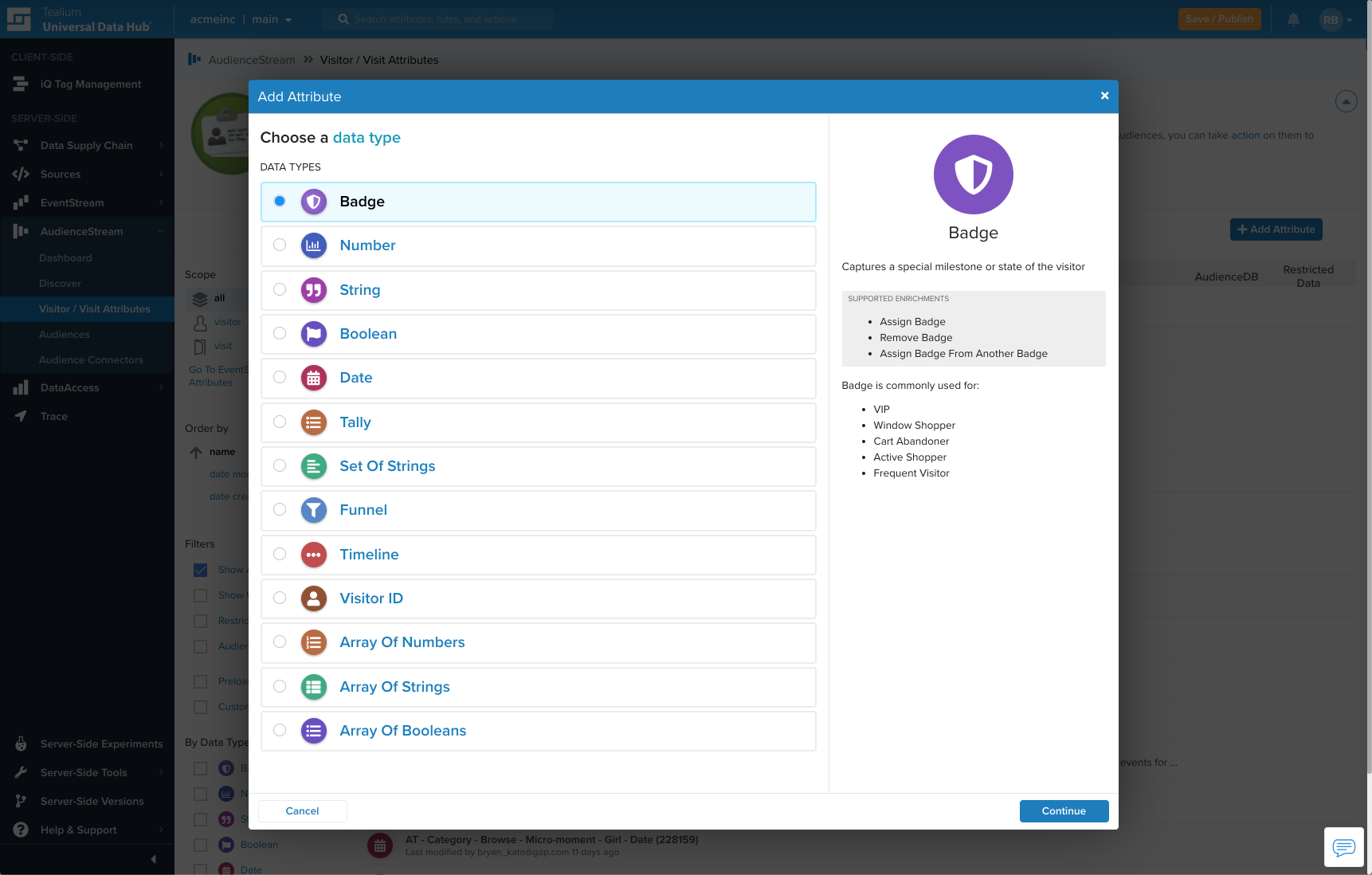
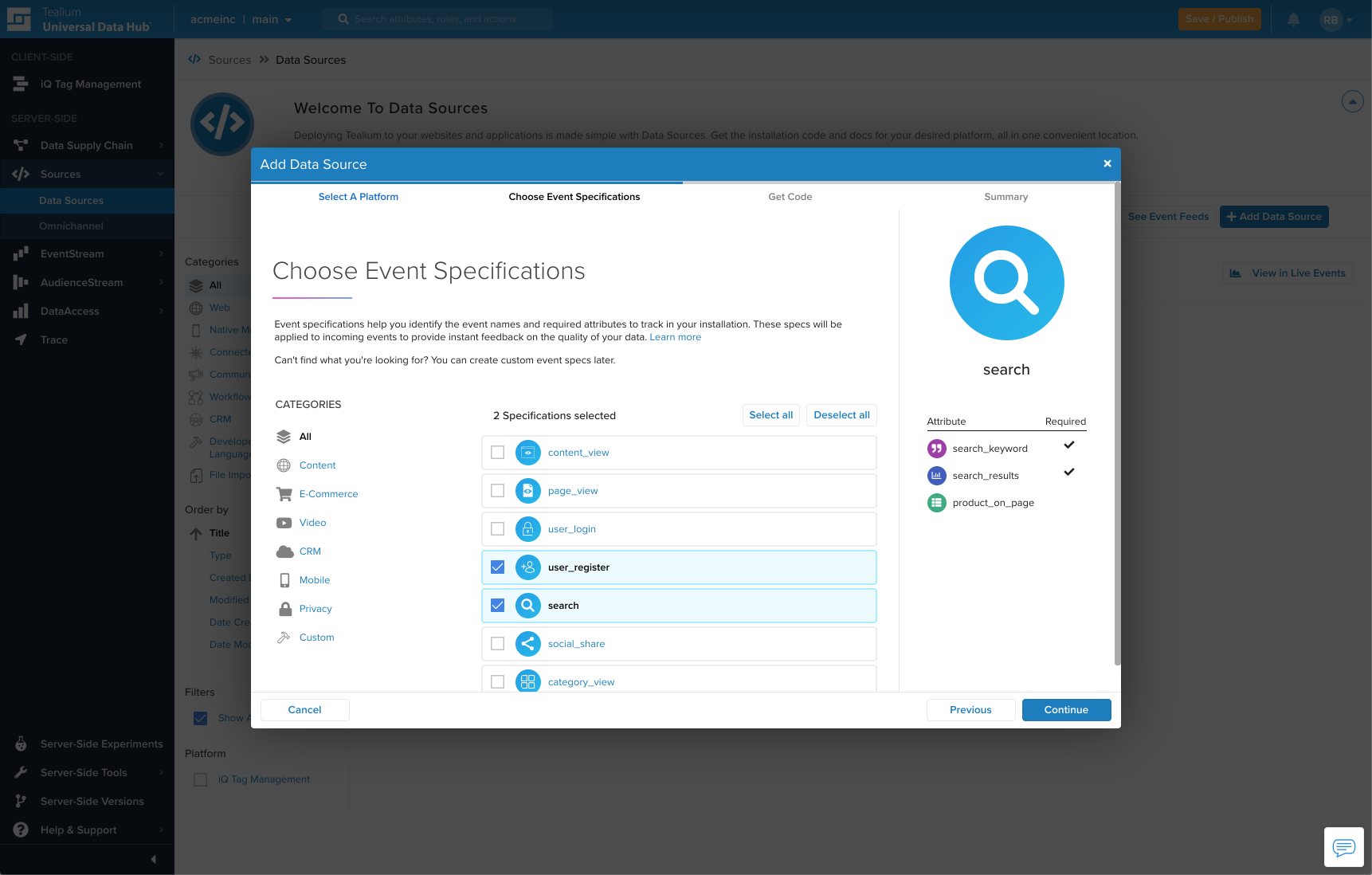
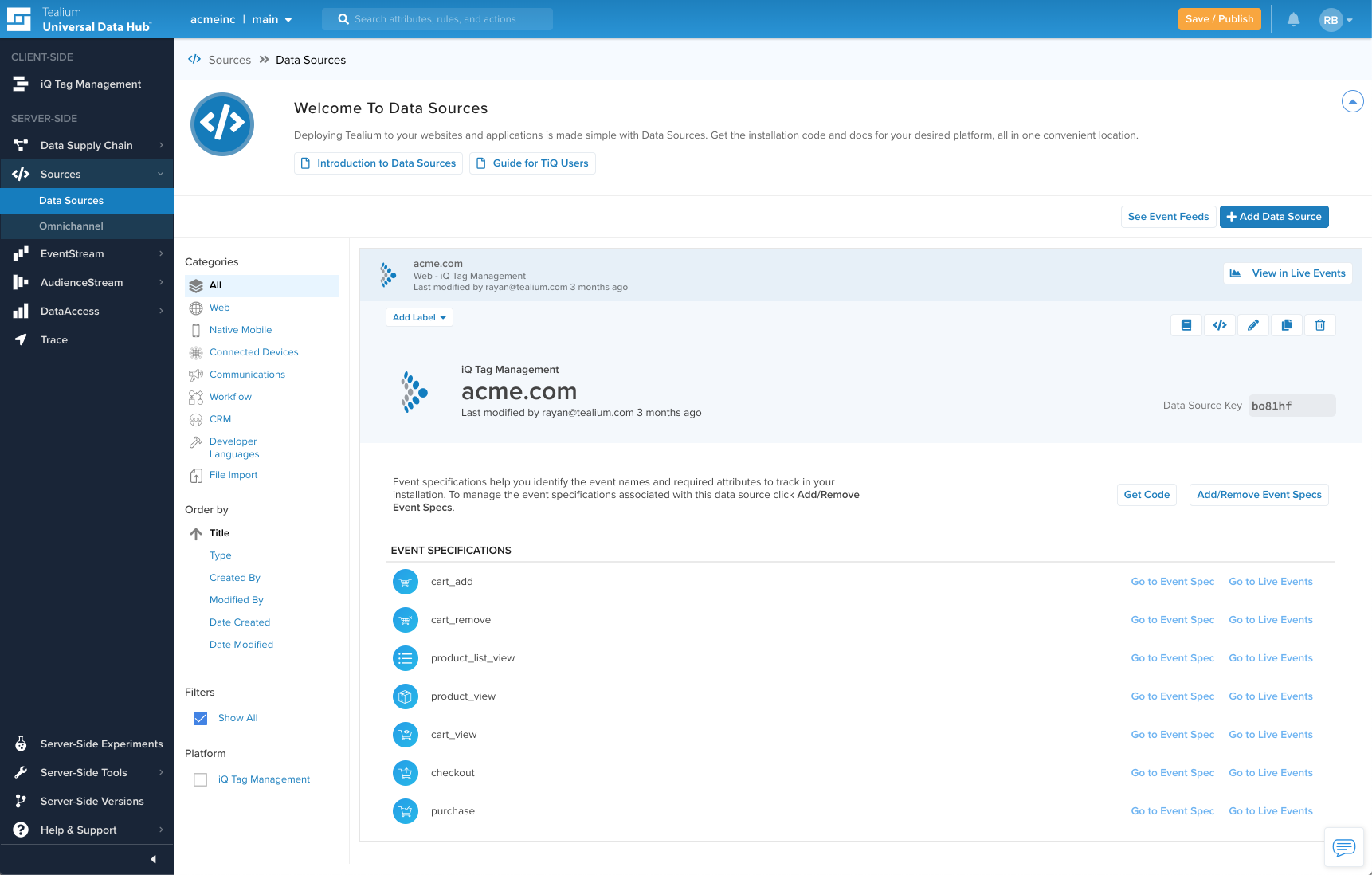
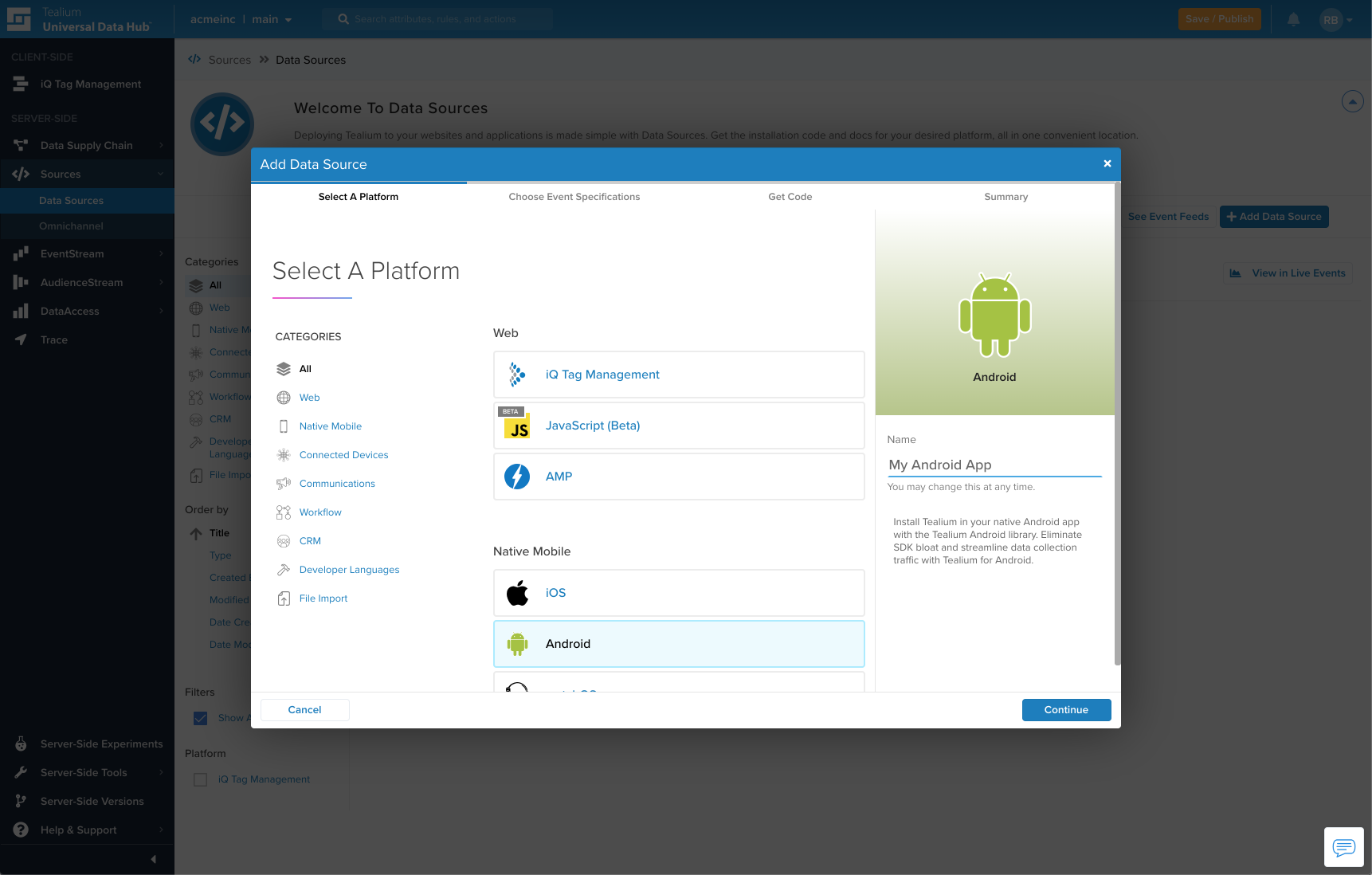
File Import
Research, Strategy, Design, Validation
This project allowed me to introduce focus groups and extensive user testing in a tech-led engineering-driven organization
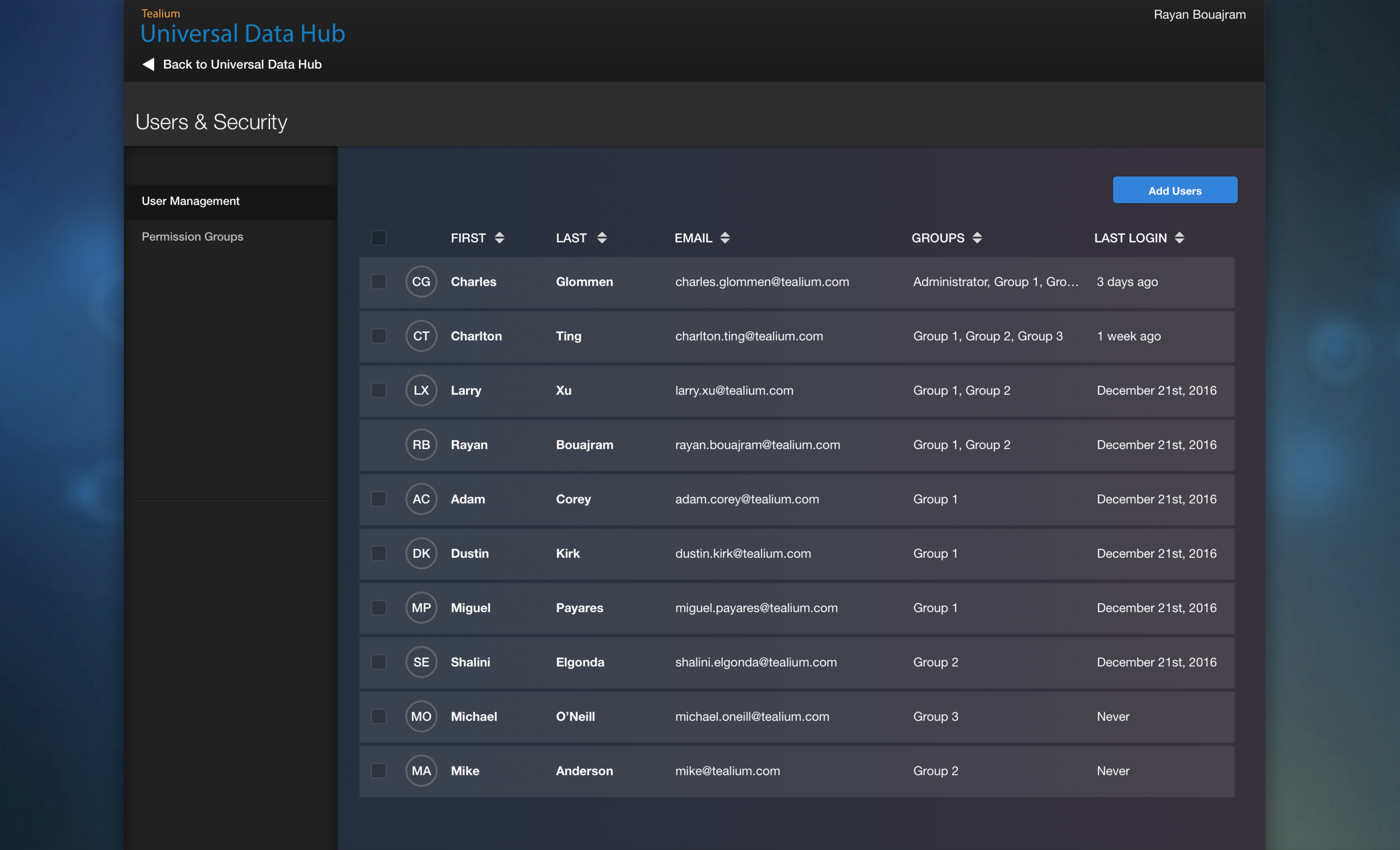
Featured Project:
User Management v2
Strategy, Design
Big iteration from a failed v1 that I created. This project is my response to user feedback.
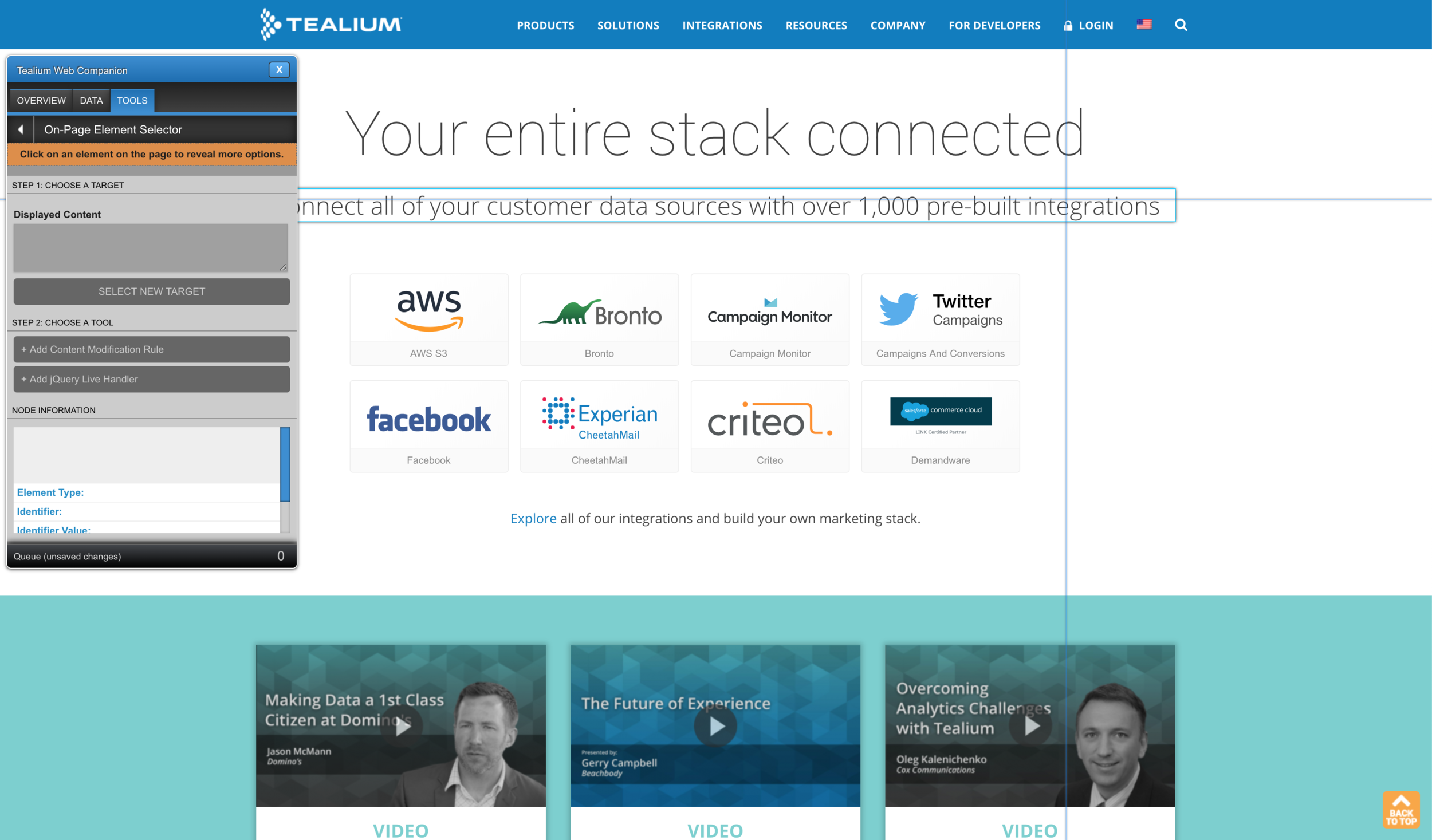
Featured Project:
iQ WebCompanion
Strategy, Design, Development
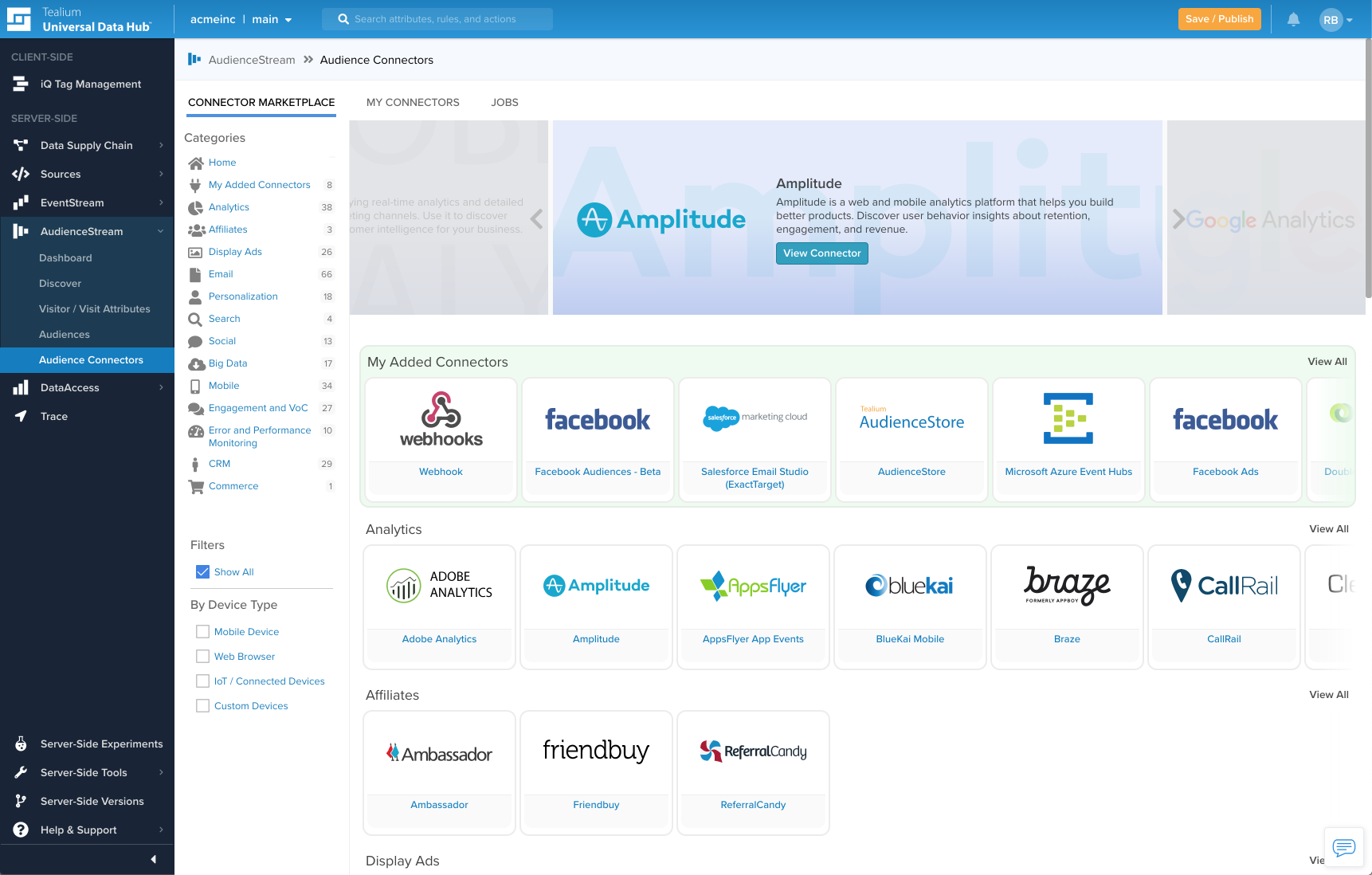
I created an easy and scalable solution to give an out-of-app experience for auditing and setting up advanced tracking
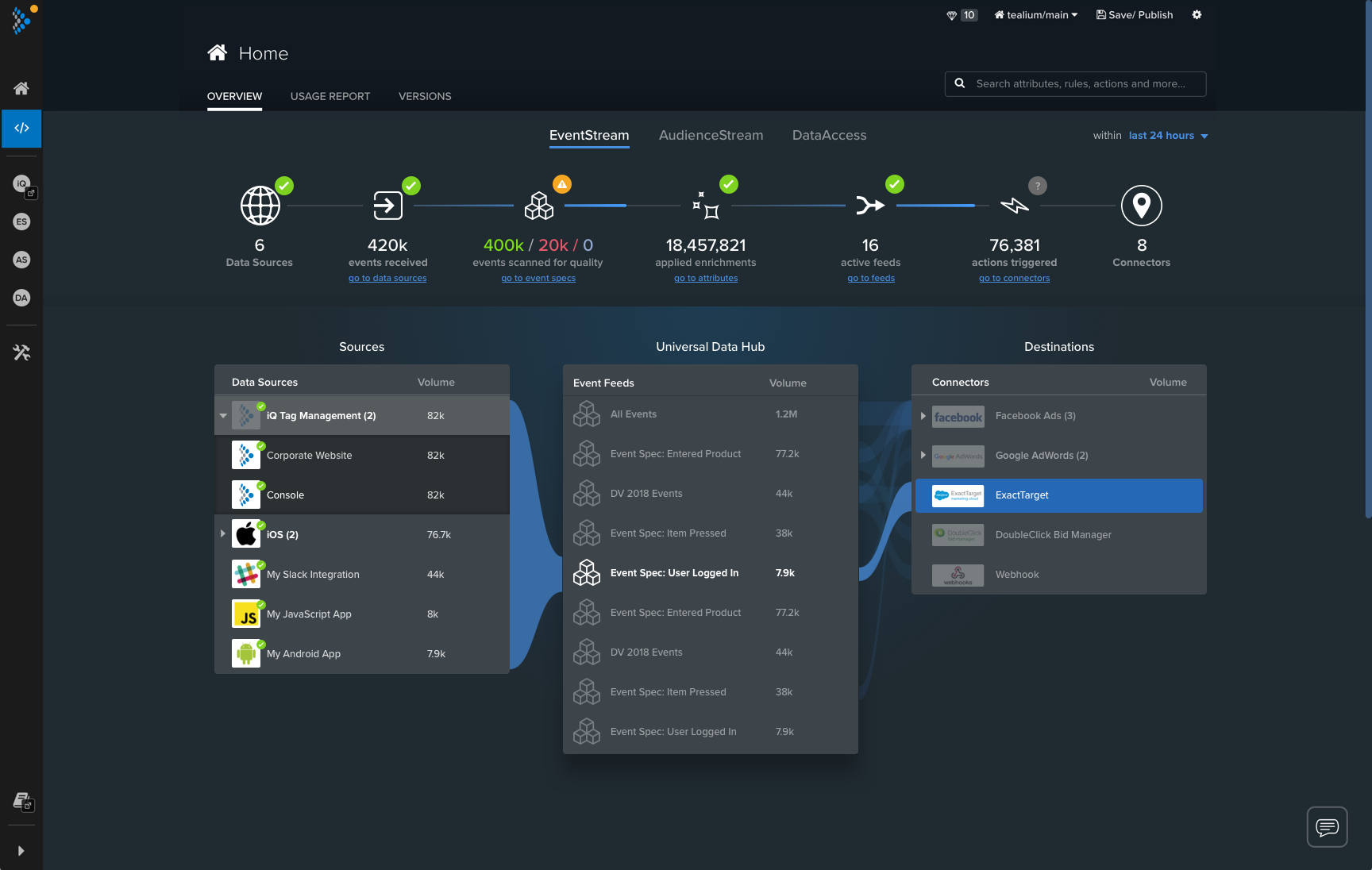
Featured Project:
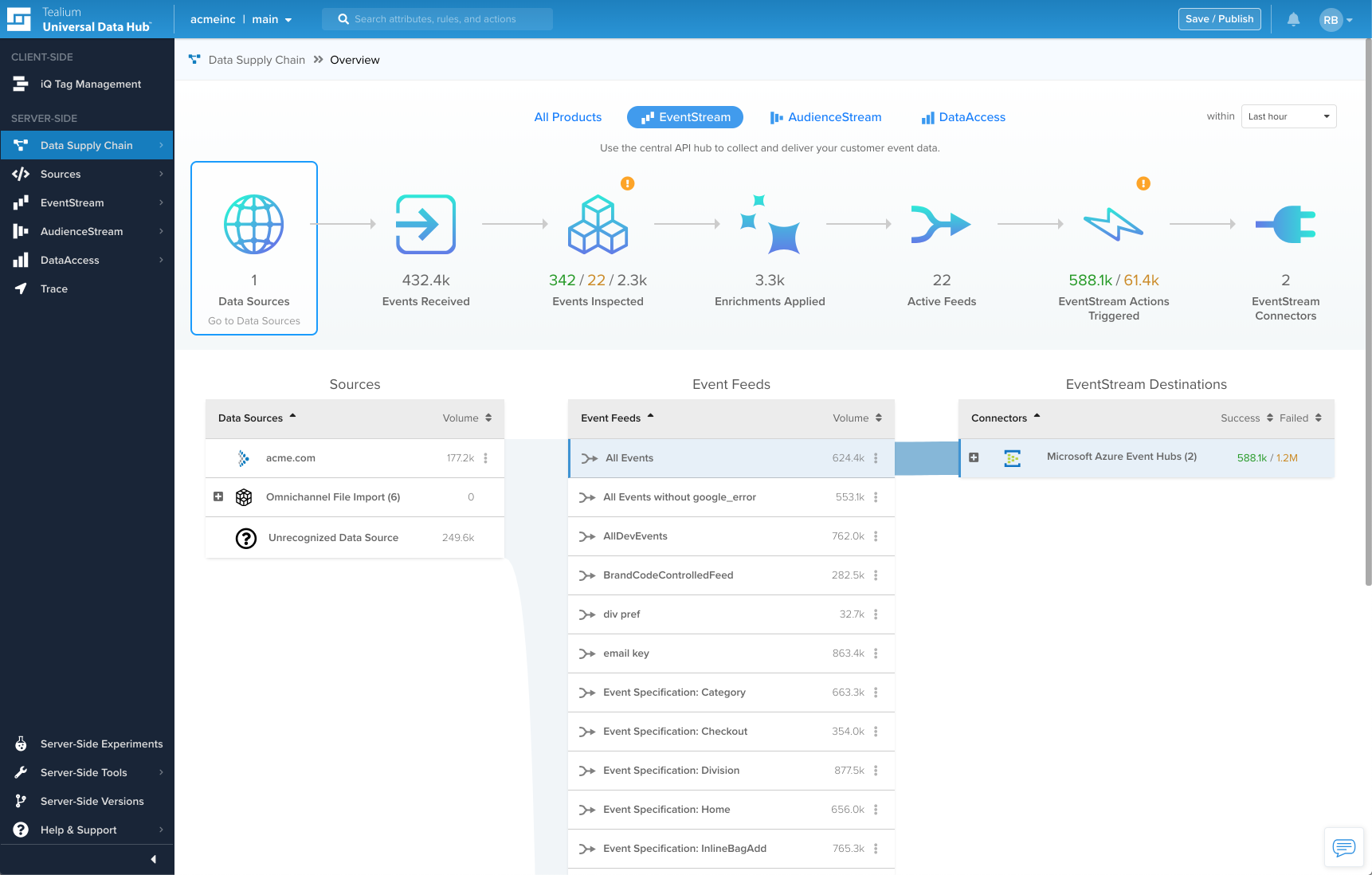
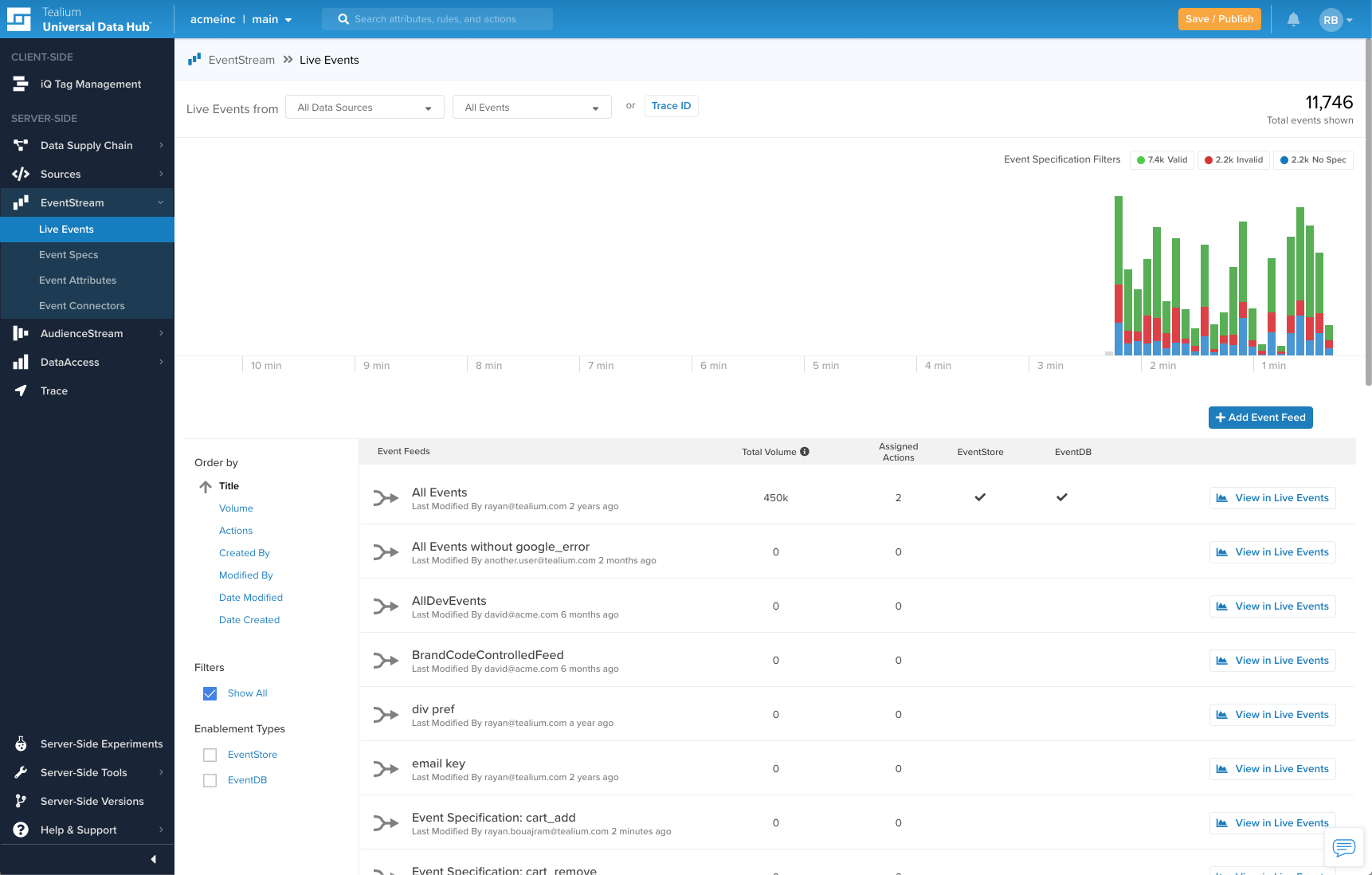
Data Supply Chain
Research, Design, Development
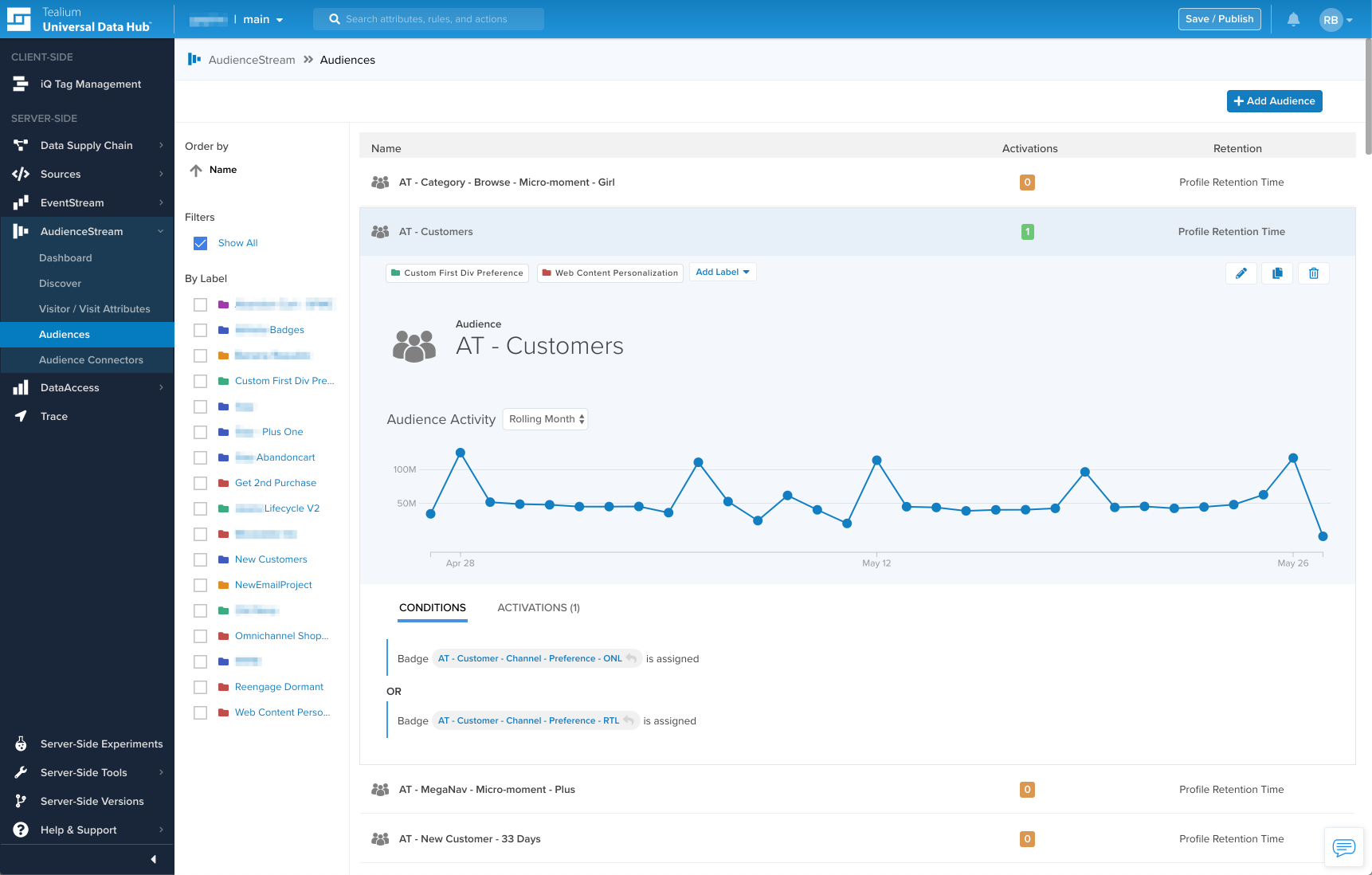
Data Supply Chain is a visual tool that helps users comprehend the relationship of their configurations throughout the UI — and opens opportunities for in-product notifications.

Featured Project:
Multi-Factor Authentication
Strategy, Design
A fast, usable solution within an extremely tight deadline
51% Designer — 49% Engineer
I take mathematical approach to wire framing, display prototypes through user stories, and layout my CSS to be flexible. Once the foundation is laid out, design expresses the right brand and tone for every engagement of the product. Depending on the users and the nature of the foundation, designing using the latest technology is preferred.
Minimal Viable Product
Keep it stupid simple! At this stage I'll scope the project down and aim to deliver an experience that's useful to our users. This helps minimize unnecessary features, reduce risks, and speed time to market.
Prototyping
After identifying a solution, I'll create a prototype to obtain early feedback from users, and go through multiple iterations until I land on the right design.
User Testing
Prototypes are shown to real users and recording feedback as it comes in, which then get used in its iterations to form a final design. I pay close attention to emotional responses and comprehension.
My Preferred Design Tool:
Figma, XD, Framer
Telling stories is one of the most powerful means that leaders have to influence, teach, and inspire — something I love to do through design. I think the best stories enable users to connect, learn, share, and create. And like people, products also get to engage with others in the same way.
Business Research & Strategy
Growing business and people is my end-goal. By identifying our target audience and core problems, we can construct a strategy that moves the needle towards success.
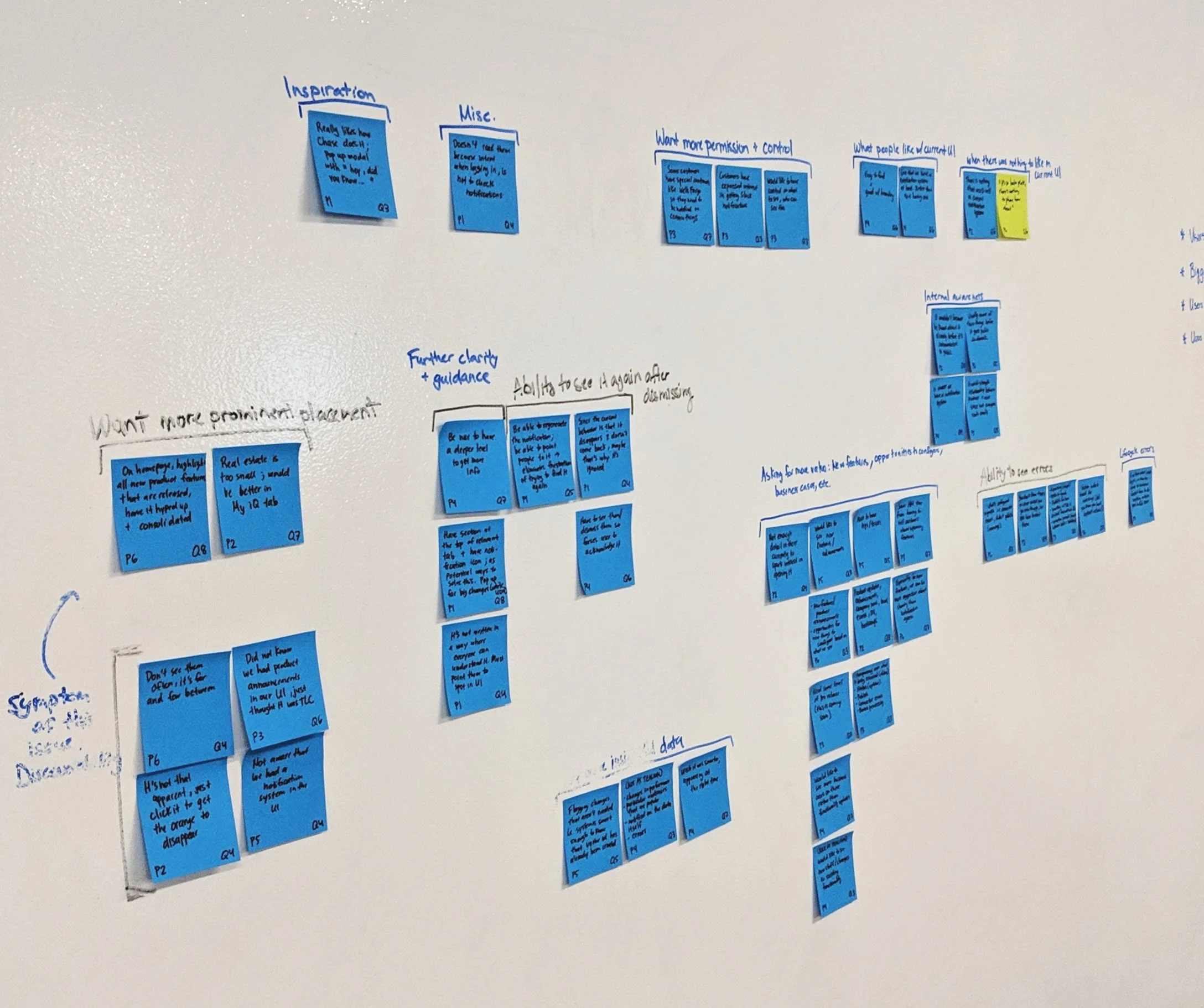
Example of an affinity diagram for user research
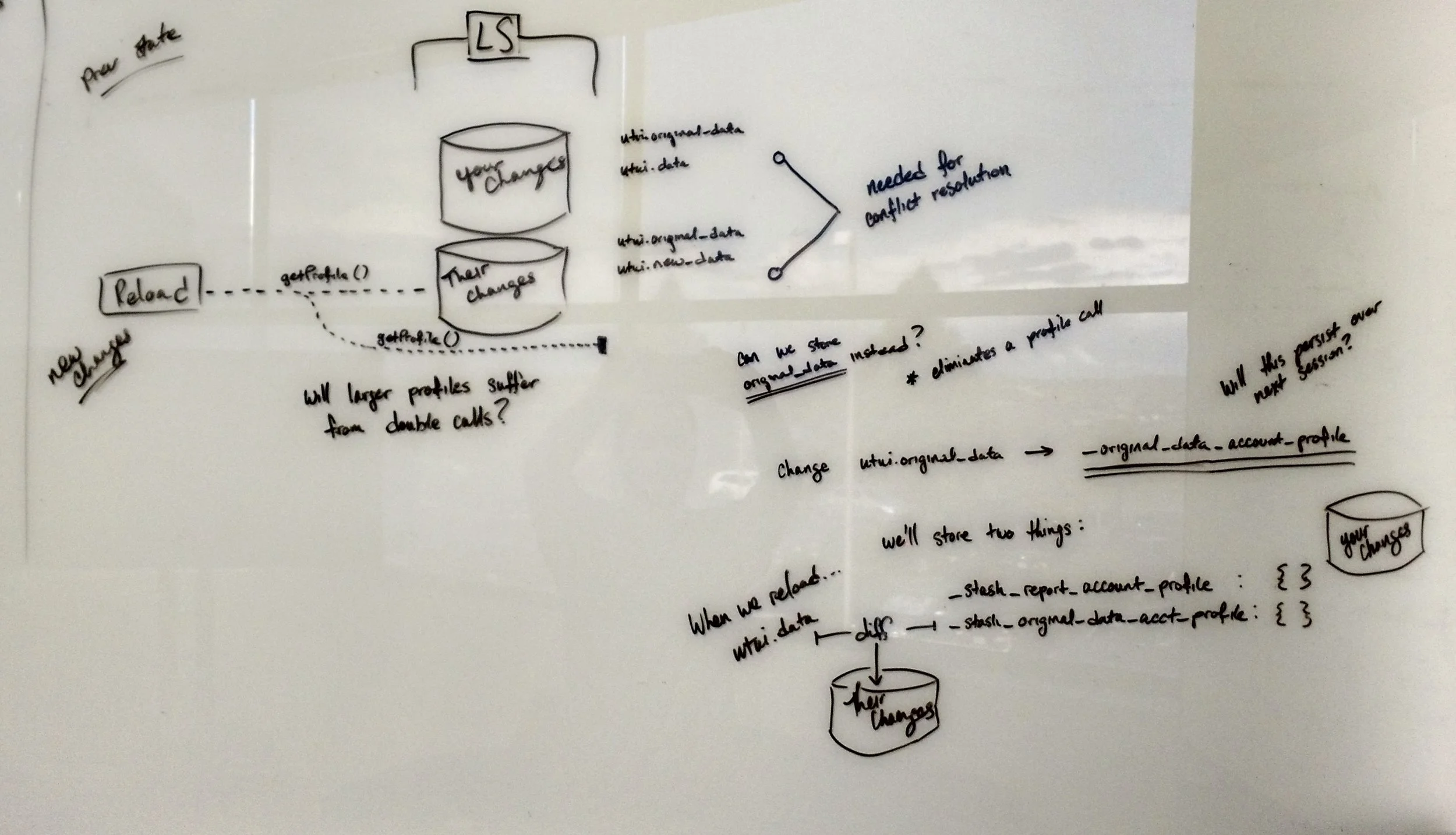
I’m obsessed with diagramming on whiteboards, conveying a story, and foster collaboration
Become the leader in innovation
In today’s tech landscape, users are increasingly demanding for a platform that is accessible, reliable, efficient, useful, and delightful. We'll develop a go-to-market plan that accelerates us beyond the competition.
User Engagement
A product is only useful if people use it, so engaging users early in the process is necessary. Interview target customers on their wants and needs to align our initiatives on what we should build.
Competitive Analysis
Researching competitive products provides inspiration and can give a competitive advantage on creating a solution that stands out.
Ideation
Based on informed data and collaboration, we create a whole list of potential solutions. My personal favorite way of orchestrating this is using the Design Sprint Methodology.
My Preferred Strategy Tools:
Notion, Lucidchart, Miro
I’m obsessed with having blank canvases and spaciousness. Creating a journey map full of data laid out in front of you not only allows you to see the data, but begin drawing relationships to what’s working / not working. It offloads your logical mind so that you can harness your creativeness throughout every step of the way.
Entrepreneurship
A combination of research, competitive analysis, design, development, launch
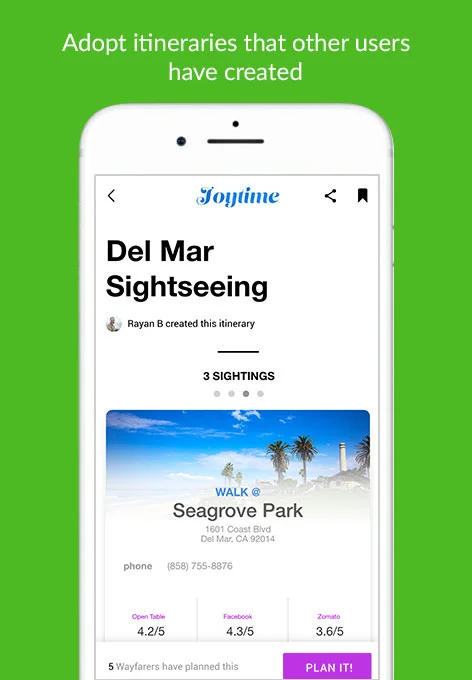
Featured Project:
Joytime
Joytime is a planning companion that allows you to discover experiences based on what others have experienced around you.
Code can also look beautiful
I’ve learned that code gets to be as modular and extendable as possible to reduce future tech debt. I prefer a modular design pattern and utilizing web components if available.
Agile and Test-Driven Development
I’ve worked with various teams who practice various methodologies. Keeping things agile insures a high quality product gets pushed into production.
Scalable and Fault-tolerant
I believe having a beautiful design isn't complete without beautifully written code. I like to ensure we're using modular and reusable web components to drive faster development, and increase test coverage to reduce risks.
Contributing to Open Source
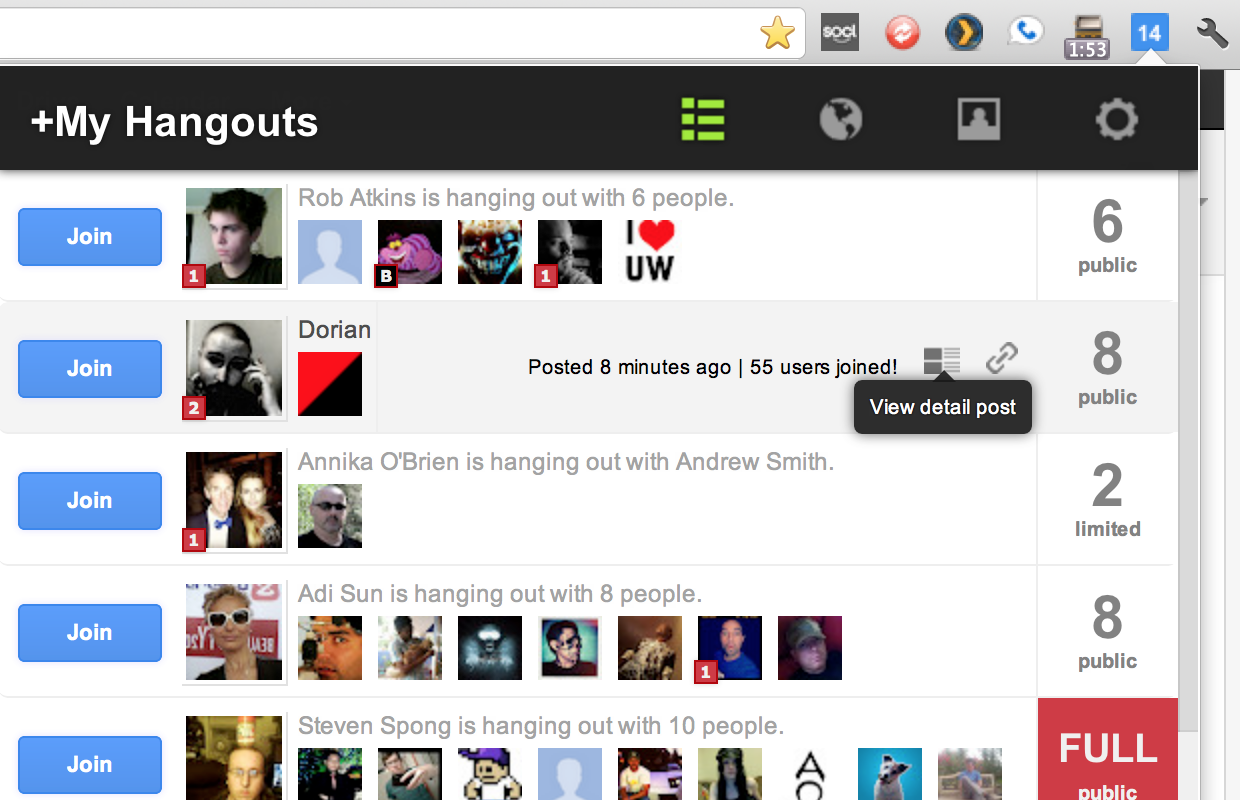
My Hangouts Chrome Extension
In 2012 I was invited to join the Google+ Beta and recognized how challenging it was to discover hangouts. I had contributed design and code with a software team from all over the world to build My Hangouts.
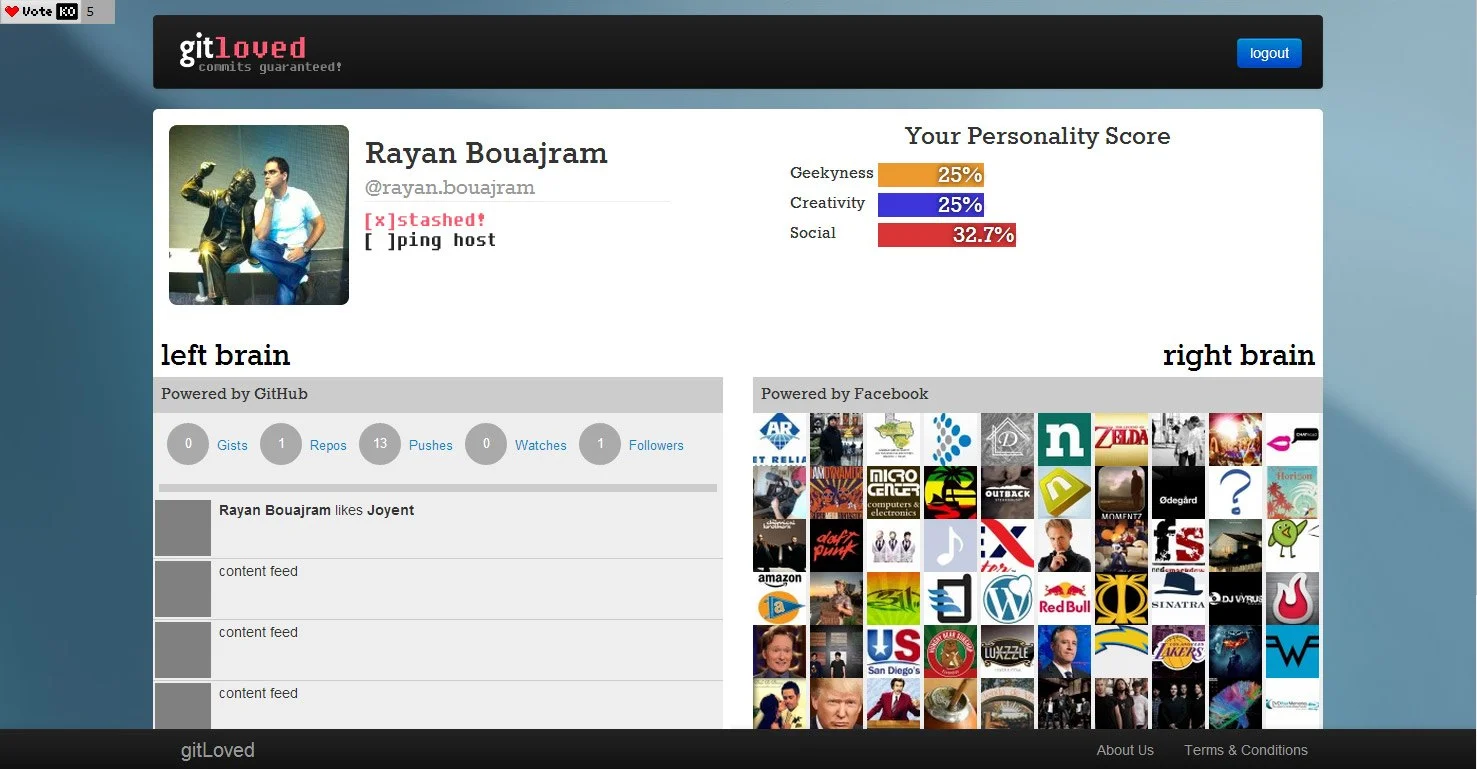
GitLoved (NodeJS Hackathon)
Hosted by Joyent, I flew up to San Francisco to participate in a Node.JS hackathon, simply turning github into a dating site (inspired by one of the engineers). I was responsible for the creativity and design of the interface.
Won #1 for UX design, #3 for overall.